Safety communication should be concrete, visible and calm
For a new learning-cabin product, trust does not come from louder claims. It comes from visible testing documents, clear non-invasive wording and a transparent learning-service boundary.
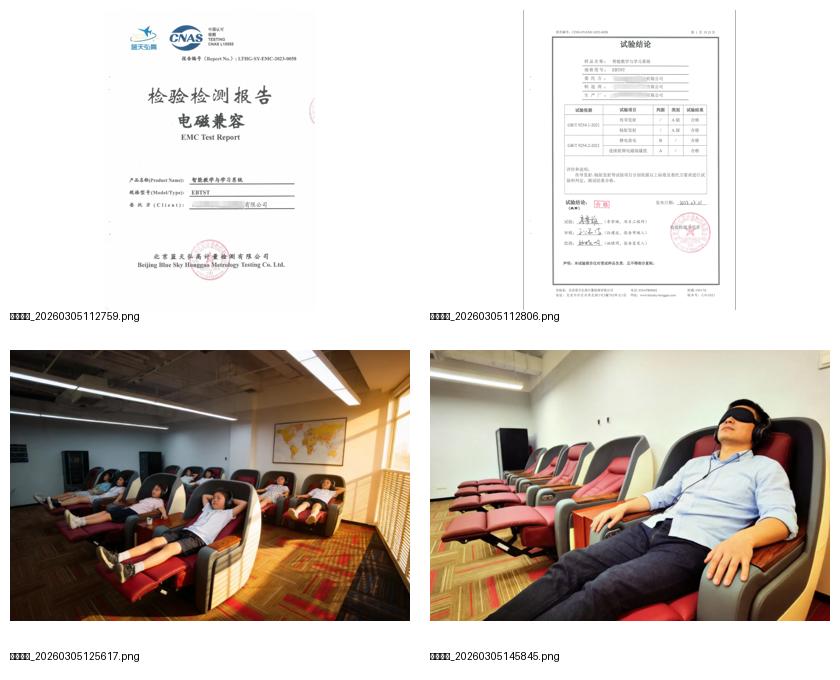
Third-party EMC testing material
The intelligent teaching and learning system EBTST has third-party electromagnetic compatibility testing materials displayed on this page. The purpose is to help families and partners review concrete documentation.
Report cover
Displayed for parent and partner review.
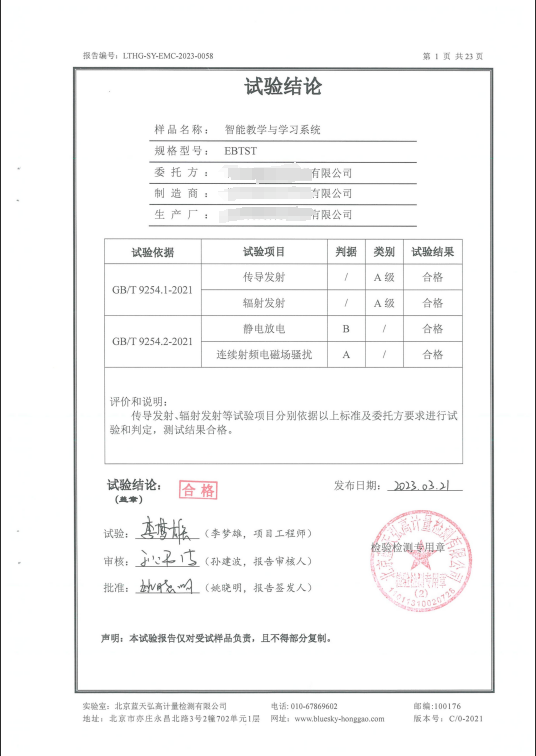
Conclusion page
The key conclusion is shown directly on the site.
What this safety page should and should not say
Clear boundaries protect both families and the brand. The model should be described as an educational training process, not as a medical or neurological treatment.
What it is
A learning-cabin environment with headset audio, vocabulary tasks, coach service, testing and review.
What it is not
It is not a medical treatment, hypnosis claim, electrical stimulation claim or universal outcome guarantee.
How to decide
Families should start with assessment and a visible learning experience before committing to a larger plan.

Real learning space
Safety communication works best when paired with real scenes and practical process details.
Trust also comes from daily service standards
Use assessment before making a learning decision
If you are a parent, start with a free appointment-based assessment. If you are an education-center partner, start with a pilot discussion and review the local delivery requirements.