1
Phonics and pronunciation
Repair sound-symbol links so the learner can read and remember words with less friction.
AI Brainwave English is not only a word list. Programs combine phonics, vocabulary, grammar, listening, reading, writing and paper review with learning-cabin sessions and coach follow-up.
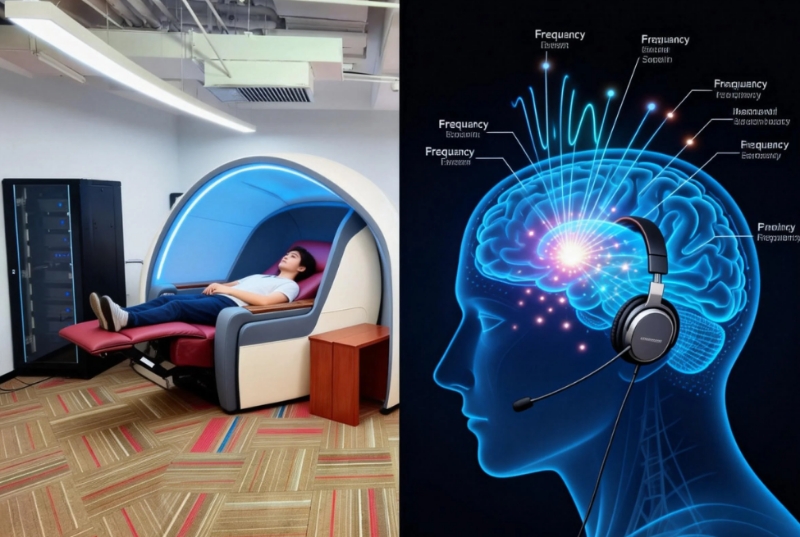
Final plans vary by learner foundation, city, schedule and exam target. The examples below show common program directions rather than a one-size-fits-all promise.
For learners who cannot read words accurately, forget quickly or lack basic vocabulary confidence.
Connect vocabulary to grammar, listening, reading, writing and paper-review tasks.
Use intensive vocabulary input and review to support academic and overseas-test preparation.
Families should understand the method before they decide. The program is not just a cabin session; it is a sequence of learning tasks.
Repair sound-symbol links so the learner can read and remember words with less friction.
Use target word lists, cabin input, translation checks, spelling checks and review records.
Move key words into phrases, sentence patterns and grammar points that appear in exams.
Connect vocabulary to listening recognition, reading speed, cloze, translation and writing output.
Use exam-paper practice and error analysis to check whether vocabulary transfers to scores.
Some local teams may use a low-threshold vocabulary experience to let parents see recognition, recall and review records before a larger program decision.

Parents need a visible learning path, not another vague promise.
The appropriate course length, price and schedule depend on city delivery, learner foundation, target score and available weekly time. Families should confirm details through local consultation.
Start with the free appointment-based assessment, then receive a recommended learning path and trial option.