Trust comes from data, scenes and repeatable delivery records
For parents and partners, a case page should show what can be checked: assessment records, learning scenes, exit-test materials, school comparison data and anonymized learner feedback.
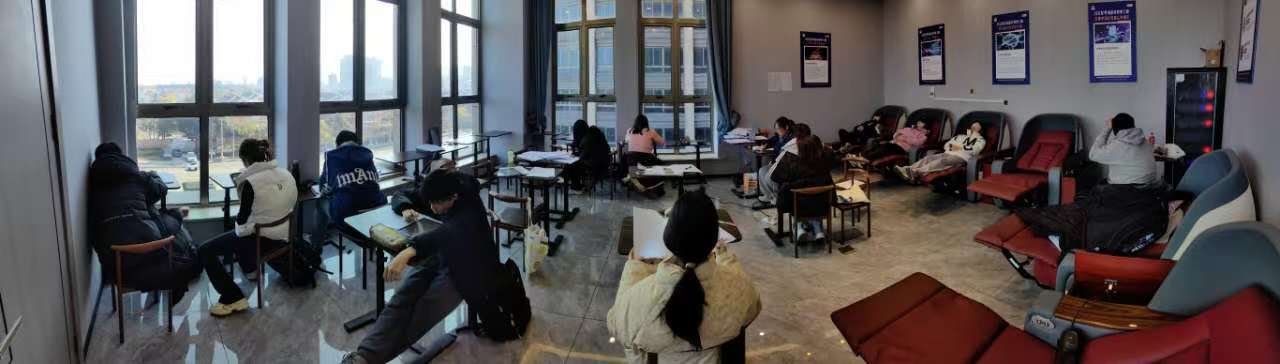
One school comparison case, presented with clear boundaries
The following material is displayed as a historical school case. Individual outcomes depend on learner foundation, training cycle, attendance, cooperation and review quality.
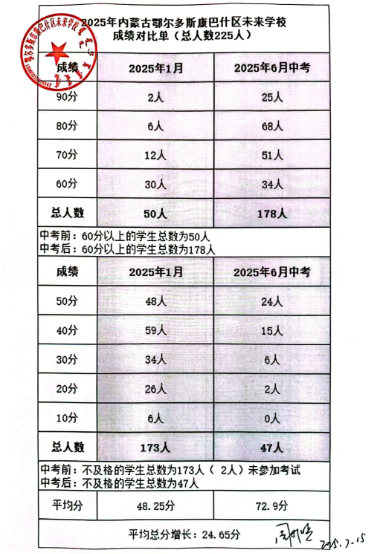
225 Grade 9 students, two-month comparison data
The displayed report shows the average English score rising from 48.25 to 72.9 after a two-month training cycle, with more students crossing the passing line and fewer learners remaining in the lower-score group.
Families and centers should see the actual learning environment
Real images help overseas and local visitors understand what the learning-cabin model looks like before they speak with the team.
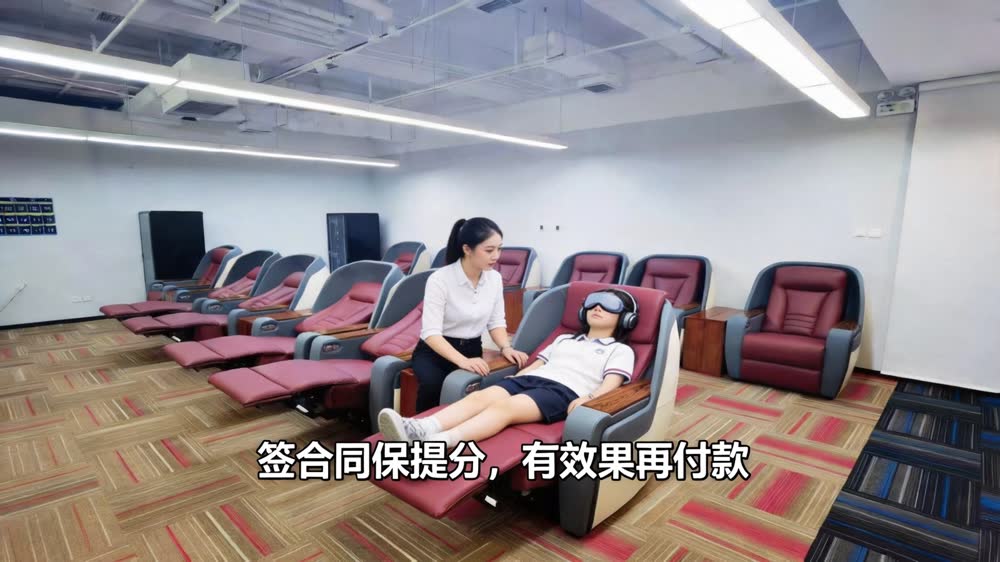
Coach-supported scene
Used for focused vocabulary input and coach-managed testing.

Group learning room
Supports regular study, review and program operations.

Parent decision scene
Families need concrete testing, not pressure-based sales language.
What we should keep collecting in every city
Use cases as a validation standard, not as a sales shortcut
A new city or overseas partner should build its own local evidence: lead source, assessment rate, trial completion, exit-test results, conversion quality and parent feedback.
Start a pilot discussion
Share your learner group, city, available space and team structure. We will discuss a pilot path before larger cooperation.