1
Free assessment
Understand the current score, phonics, vocabulary, reading and exam target.
AI Brainwave English should not be understood as a mysterious shortcut. It is a service workflow that connects assessment, phonics preparation, learning-cabin input, exit testing, error review and follow-up practice.

A learner may struggle because of phonics, pronunciation, weak vocabulary, slow reading response, unstable review habits or exam-paper gaps. The learning cabin is useful only when the diagnosis and follow-up are clear.
Check phonics, natural spelling, vocabulary size, grammar, reading, writing and exam needs before recommending a path.
Use a calmer environment, headset audio and guided vocabulary tasks to reduce resistance and support concentrated input.
Use exit tests, error records and follow-up review to distinguish familiarity from usable recall.
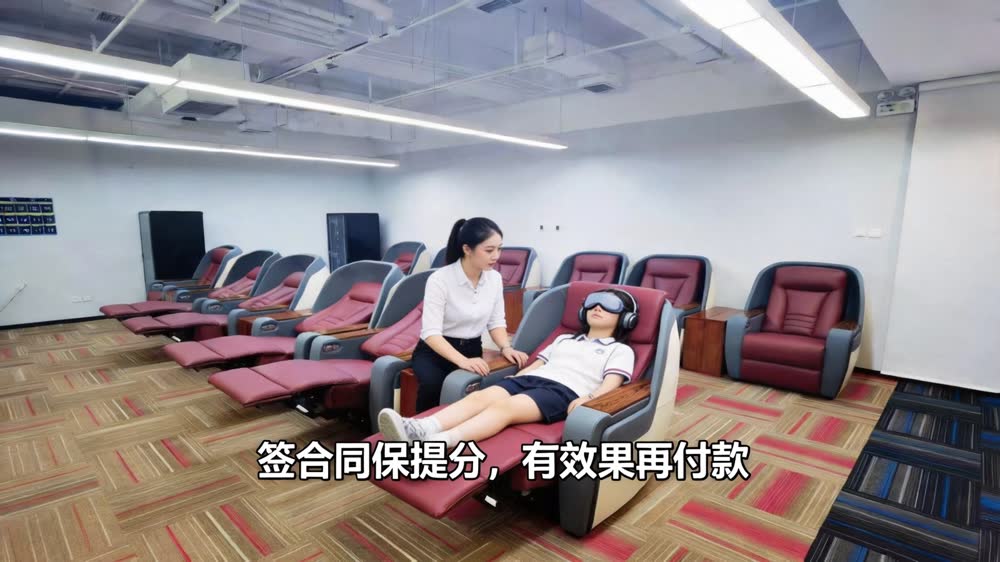
The visible product is the cabin. The real service is the complete loop around assessment, training and review.
Understand the current score, phonics, vocabulary, reading and exam target.
Set the training cycle, word list, review rhythm and coach responsibilities.
Run focused sessions with preparation, guided input and lower-interference surroundings.
Record recognition, spelling, pronunciation, translation and error patterns.
Connect vocabulary to grammar, listening, reading, writing and exam-paper review.
This page explains an educational training workflow. It does not make medical claims, does not replace individual assessment, and does not promise that every learner will respond in the same way.
The communication should focus on headset audio, cabin environment and learning tasks, not medical intervention.
Some learners need phonics repair first; others need vocabulary, reading or exam-paper review.
Follow-up testing and retrieval practice are needed to turn short-term familiarity into more stable use.